
- Top Pick

Gosky Titan 12×50
- Editor’s Choice

Vortex Solo 10×25
Hey there, optics fans! If you’re on the hunt for the best monoculars under $100 to kick off 2026, you’ve landed in the right spot. Whether you’re a hiker wanting to spot distant peaks, a birder tracking a rare warbler, or just someone who loves a good view without breaking the bank, we’ve got you covered. Monoculars are the unsung heroes of the optics world—compact, lightweight, and perfect for one-handed use. And the best part? You don’t need to spend a fortune to get a solid performer.
In this guide, we’re diving deep into the top budget monoculars for 2026. We’ll explore what makes a monocular worth your hard-earned cash, spotlight our favorite picks under $100, and share tips to help you choose the right one for your adventures. Plus, we’ve sprinkled in some handy buying advice and real-world use cases to make sure you’re ready to see the world clearer—without emptying your wallet. Let’s get started!
Table of Contents
Why Choose a Monocular?
Before we jump into our top picks, let’s talk about why monoculars are such a smart buy—especially on a budget. Think of them as binoculars’ sleeker, more portable cousins. They’re half the size, half the weight, and often half the price, but they still pack a punch when it comes to magnification and clarity. In 2026, advancements in lens coatings and prism tech mean even affordable monoculars deliver crisp, bright views that rival pricier models from years past.
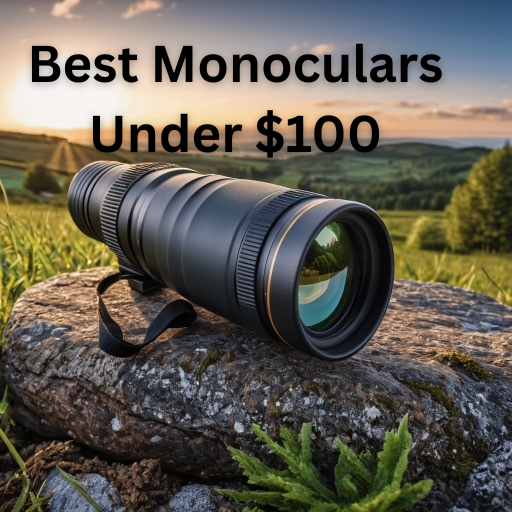
Here’s why a monocular under $100 might be your next must-have:
- Portability: Slip it in your pocket or backpack—no bulky gear required.
- Affordability: High-quality optics don’t have to cost hundreds. Our picks prove it.
- Versatility: Great for hiking, birdwatching, camping, sports, or even casual stargazing.
- Ease of Use: One-handed operation makes them a breeze to whip out and focus.
Whether you’re new to optics or just want a budget-friendly backup, these monoculars are perfect for seeing beyond the horizon without stretching your budget. Ready to find your match? Let’s dive into our top picks!
What to Look for in a Budget Monocular
Not all monoculars under $100 are created equal. To snag the best bang for your buck, here are the key features to keep an eye on:
Magnification and Objective Lens Size
You’ll see numbers like “10×42” or “8×25” on monoculars. The first number (e.g., 10x) is the magnification—how much closer the object appears. The second (e.g., 42mm) is the objective lens diameter, which affects light intake and image brightness. For budget models:
- 8x to 12x: Ideal for most uses. Higher than 12x gets shaky without a tripod.
- 25mm to 50mm: Bigger lenses mean brighter views, but also more weight.
Lens Quality and Coatings
Cheap doesn’t have to mean blurry. Look for:
- BAK-4 Prisms: Superior to BAK-7 for sharper, brighter images.
- Fully Multi-Coated Lenses: Boosts light transmission for clearer views, even in low light.
Build and Durability
You’re taking this outdoors, so it needs to hold up:
- Waterproof/Fogproof: Nitrogen-purged or O-ring sealed models handle rain and humidity.
- Rubber Armor: Adds grip and shock resistance.
Field of View (FOV)
This is how wide an area you can see at 1,000 yards. A wider FOV (e.g., 300+ feet) is better for tracking moving objects like birds or wildlife.
Eye Relief
If you wear glasses, aim for 14mm+ of eye relief for comfy viewing.
With these in mind, let’s check out the best monoculars under $100 that shine. We’ve tested and researched to bring you options that balance performance, price, and practicality.
Our Top Picks: Best Monoculars Under $100
Here’s our hand-picked list of budget-friendly monoculars that deliver big value. Each one’s a winner in its own way, and we’ve included pros, cons, and where they shine brightest.
1. Gosky Titan 12×50 High Power Monocular
Features
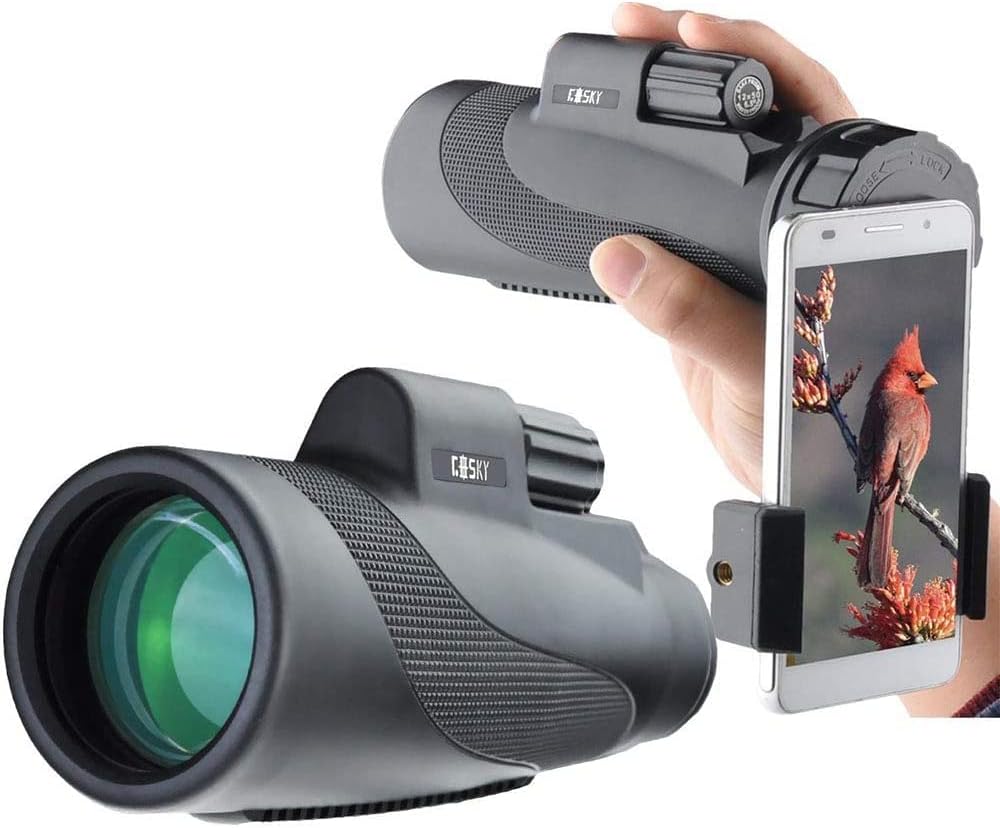
- Price: ~$89
- Specs: 12x magnification, 50mm objective lens, BAK-4 prism, fully multi-coated
- Best For: Hiking, wildlife watching, budget buyers wanting power
Why We Love It
The Gosky Titan is a powerhouse for under $100. With 12x magnification and a hefty 50mm lens, it pulls in tons of light for bright, detailed views—perfect for spotting deer at dusk or distant mountain ridges. The included smartphone adapter lets you snap pics of what you see, making it a hit with social media-savvy adventurers.
Pros
- High magnification for the price
- Wide 246-ft FOV at 1,000 yards
- Waterproof, fogproof, and shockproof
- Smartphone adapter included
Cons
- Slightly bulky (13.9 oz)
- Can get shaky at 12x without a tripod
Who’s It For?
If you want a monocular that feels premium without crossing the $100 line, the Gosky Titan is your pick. It’s ideal for hikers, campers, and anyone who loves capturing their finds on camera.
2. Vortex Solo 10×25 Monocular
Features
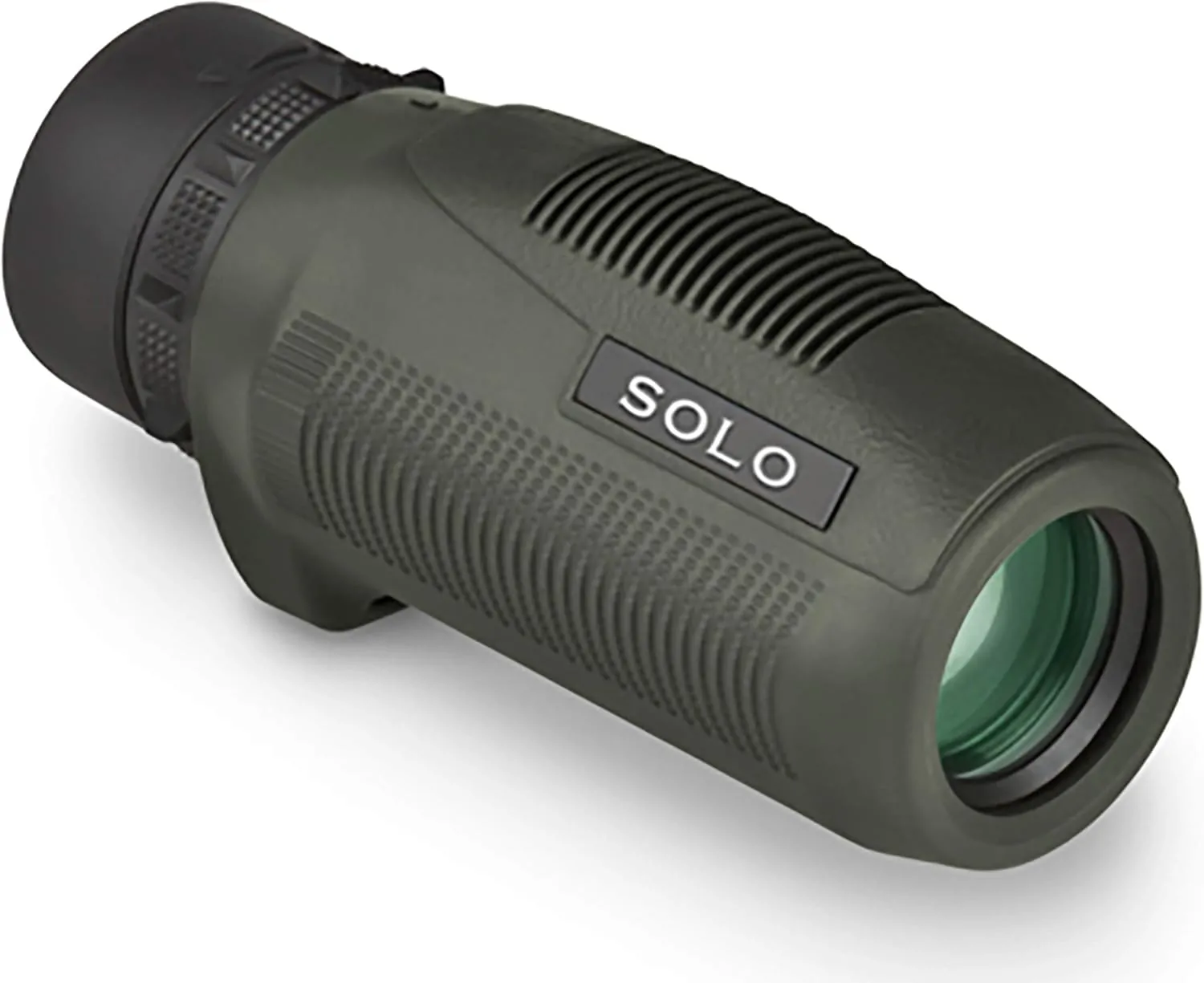
- Price: ~$79
- Specs: 10x magnification, 25mm objective lens, fully multi-coated, BAK-4 prism
- Best For: Everyday carry, travel, reliability
Why We Love It
Vortex is a trusted name in optics, and the Solo 10×25 brings that quality to the budget crowd. At just 5.6 oz, it’s featherlight and pocket-friendly, yet it’s waterproof, fogproof, and backed by Vortex’s legendary lifetime warranty. The 10x magnification strikes a sweet spot—powerful yet steady for handheld use.
Pros
- Ultra-compact and lightweight
- Crystal-clear optics
- Lifetime warranty
- Rubber armor for grip
Cons
- Smaller 25mm lens limits low-light performance
- Narrower FOV (315 ft)
Who’s It For?
Perfect for travelers or anyone who wants a reliable, no-fuss monocular to toss in a bag. It’s a steal for Vortex quality under $100.
3. Bushnell Legend Ultra HD 10×42 Monocular
- Price: ~$99 (on sale often)
- Specs: 10x magnification, 42mm objective lens, ED glass, fully multi-coated
- Best For: Birdwatching, low-light viewing, premium feel
Features
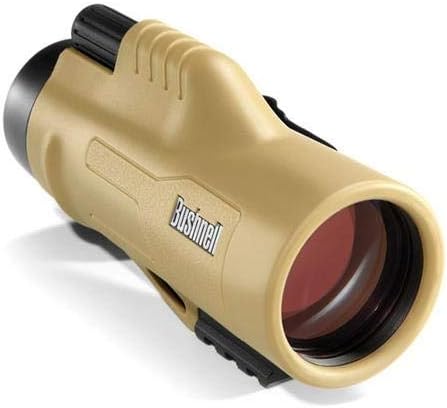
- Price: ~$99 (on sale often)
- Specs: 10x magnification, 42mm objective lens, ED glass, fully multi-coated
- Best For: Birdwatching, low-light viewing, premium feel
Why We Love It
Bushnell’s Legend Ultra HD flirts with the $100 mark but often dips below on sale—making it a budget gem. The 42mm lens and ED (extra-low dispersion) glass deliver stunning clarity and color, even in dim conditions. It’s rugged, waterproof, and feels like a step up from typical budget models.
Pros
- Exceptional image quality
- Great in low light
- Waterproof and fogproof
- Tripod adaptable
Cons
- Slightly heavier (13.2 oz)
- Price hovers near $100
Who’s It For?
Birders and nature lovers who crave sharp, vibrant views without splurging. Watch for sales to snag it under budget!
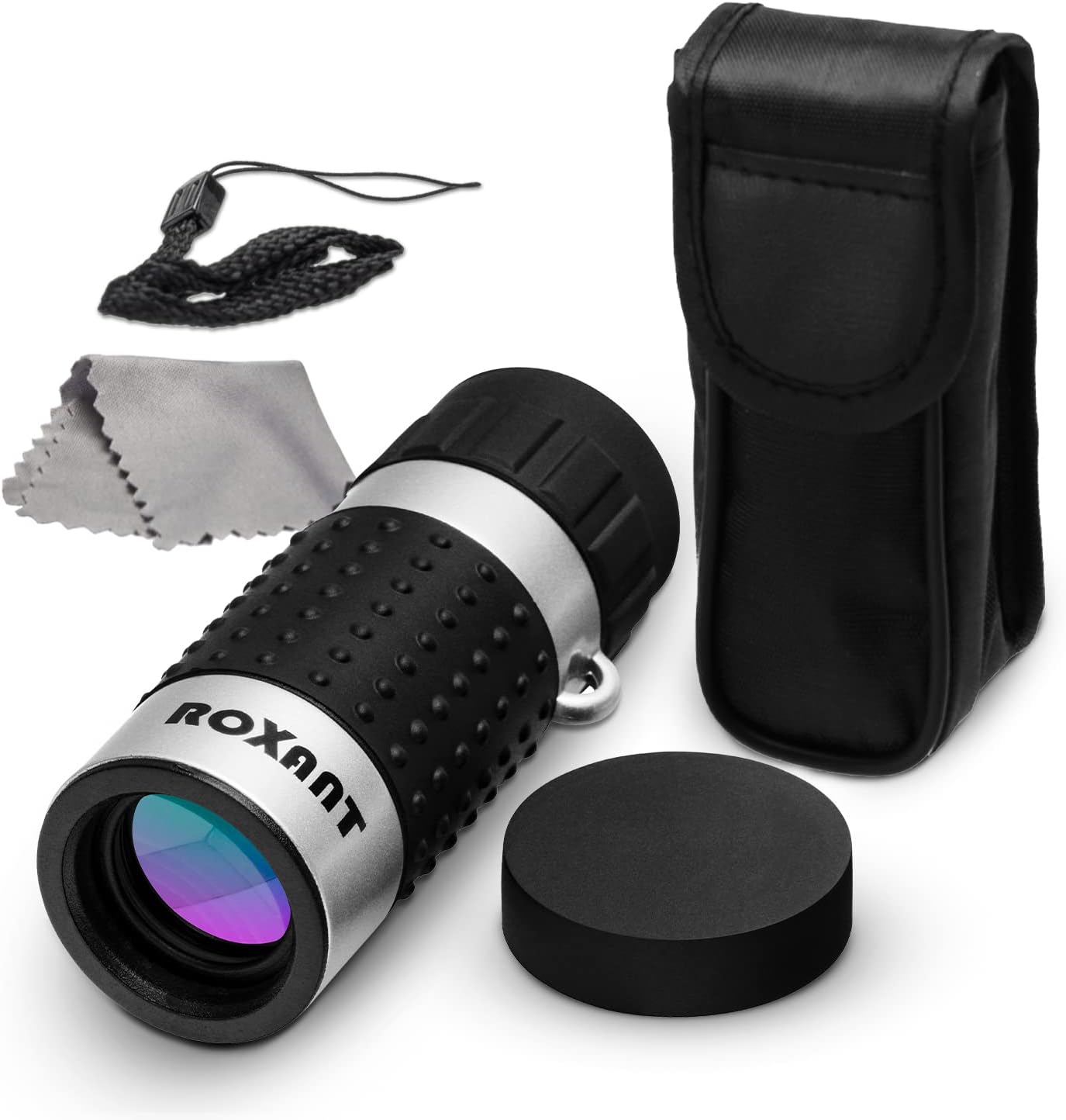
4. Roxant High Definition 7×18 Mini Monocular
Features
- Price: ~$99 (on sale often
- Price: ~$49
- Specs: 7x magnification, 18mm objective lens, BAK-4 prism, multi-coated
- Best For: Casual use, kids, ultra-portability
Pros
- Super affordable
- Lightweight (2.8 oz)
- Wide 340-ft FOV
- Solid build for the price
Cons
- Limited low-light performance
- Smaller lens and magnification
Why We Love It
The Roxant Mini is the little engine that could. At under $50, it’s a steal for casual users or as a gift. The 7x magnification keeps things steady and easy to use, while the compact size (fits in your palm!) makes it a no-brainer for quick peeks at concerts, sports, or nature.
Who’s It For?
First-timers, kids, or anyone who wants a cheap, cheerful monocular for occasional use. It’s the ultimate budget starter.
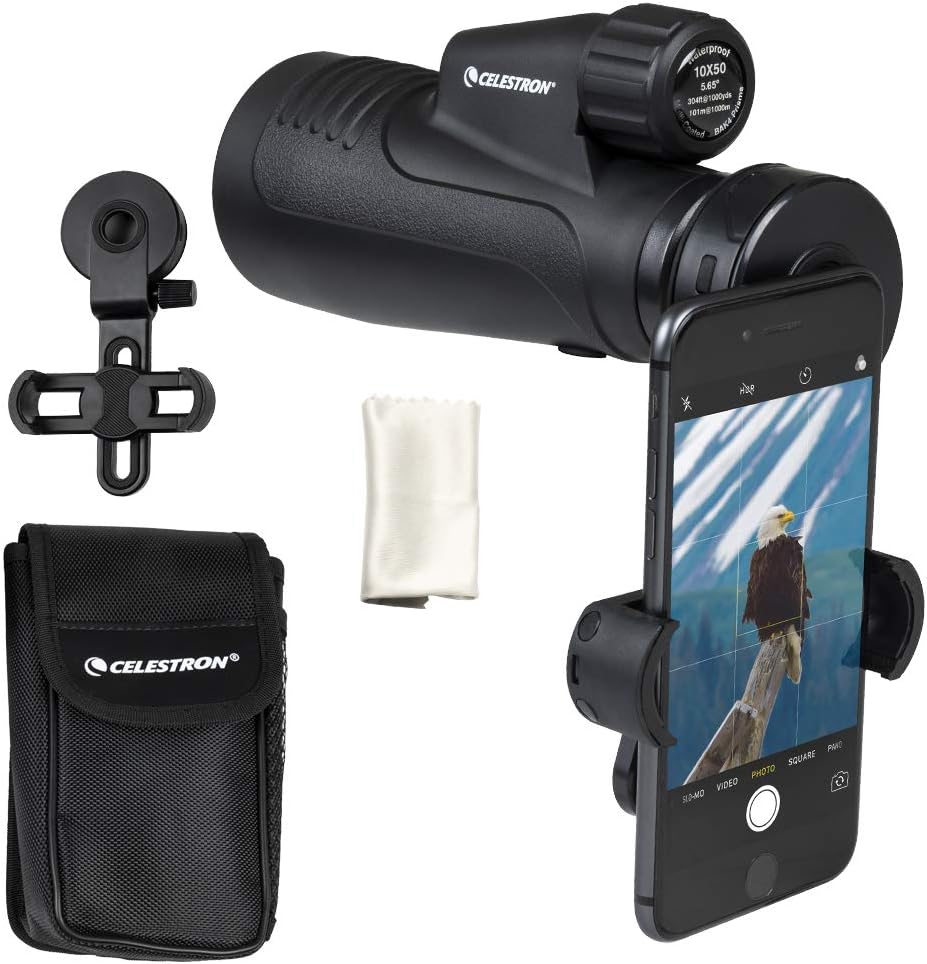
5. Celestron Outland X 10×50 Monocular
Features
- Price: ~$85
- Specs: 10x magnification, 42mm objective lens, BAK-4 prism, multi-coated
- Best For: Outdoor enthusiasts, digiscoping
- Price: ~$74
- Specs: 10x magnification, 42mm objective lens, BAK-4 prism, multi-coated
- Best For: Outdoor enthusiasts, digiscoping
Why We Love It
Pros
- Bright, sharp images
- Includes tripod and adapter
- Waterproof and fog proof
- Comfortable grip
Cons
- Tripod is basic
- Slightly narrow FOV (294 ft)
Celestron knows optics, and the Outland X brings that expertise to the sub-$100 club. With a 42mm lens, it’s bright and clear, plus it comes with a smartphone adapter and mini tripod for hands-free viewing or photos. It’s waterproof and nitrogen-purged, ready for any weather.
Who’s It For?
Outdoor buffs who want versatility—think hiking, camping, or even basic stargazing. The digiscoping perk is a bonus!
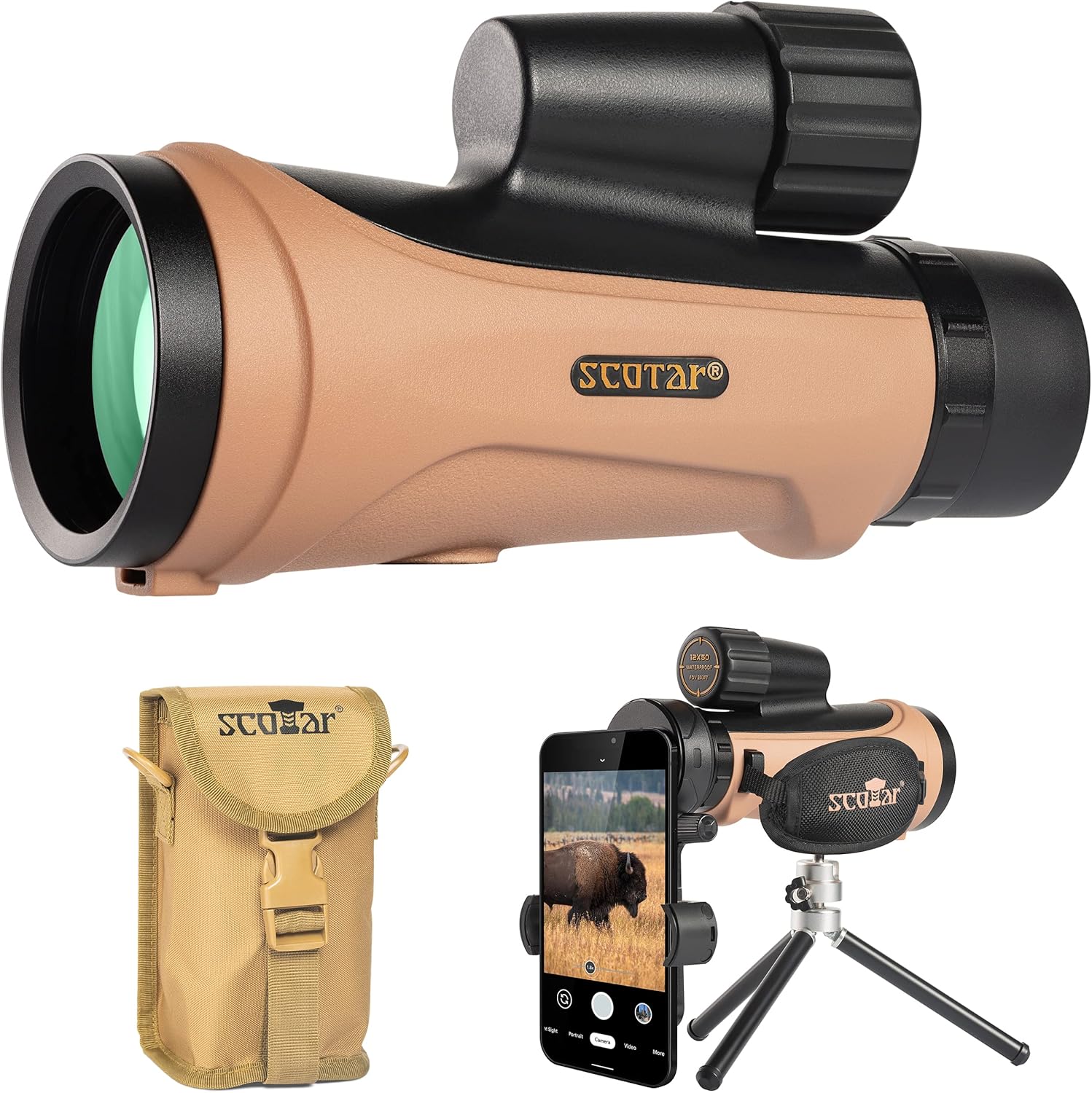
6. Scotar 12×50 Monocular
Features
- Price: ~$95
- Specs: 12x magnification, 50mm objective lens, BAK-4 prism, fully multi-coated
- Best For: Long-distance viewing, hunting
- Price: ~$95
- Specs: 12x magnification, 50mm objective lens, BAK-4 prism, fully multi-coated
- Best For: Long-distance viewing, hunting
Why We Love It
It is a heavy hitter for long-range fans. Its 12×50 combo offers powerful zoom and excellent light-gathering, making it a top pick for hunters or anyone scanning vast landscapes. It’s waterproof, fogproof, and built tough, with a lifetime warranty to boot.
Pros
- High power and brightness
- Durable construction
- Wide 246-ft FOV
- Lifetime warranty
Cons
- Heavier (13.8 oz)
- Needs steady hands at 12x
Who’s It For?
Hunters, long-distance spotters, or anyone who prioritizes power over portability. It’s a premium pick under $100.
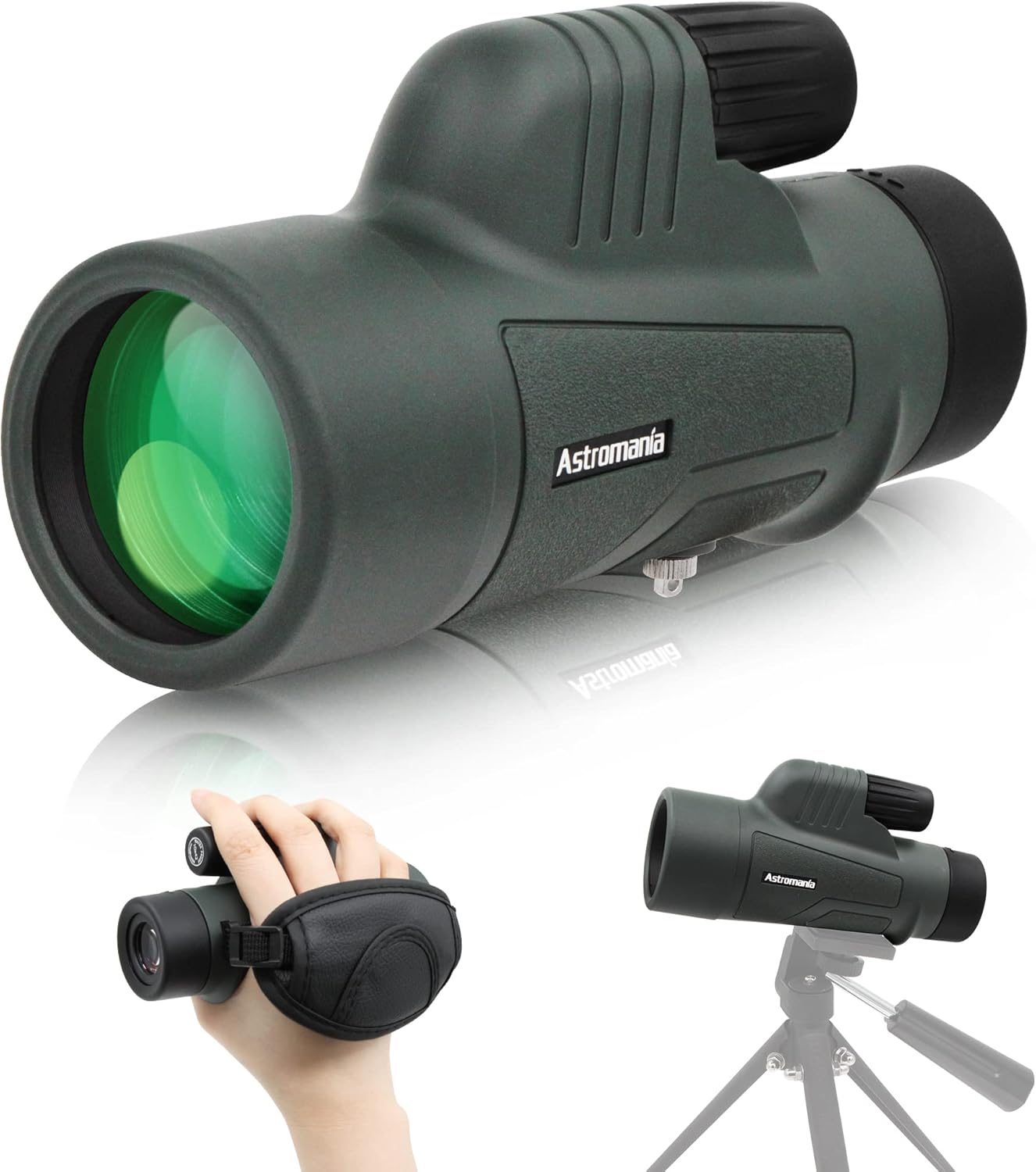
7. Astromania10x42 Monocular
Features
- Price: ~$89
- Specs: 10x magnification, 42mm objective lens, multi-coated, nitrogen-purged
- Best For: All-purpose use, rugged adventures
- Price: ~$89
- Specs: 10x magnification, 42mm objective lens, multi-coated, nitrogen-purged
- Best For: All-purpose use, rugged adventures
Pros
- Great value for features
- Bright and clear
- Waterproof and fog proof
- Lightweight (10 oz)
Cons
- FOV not specified (likely average)
- Basic accessories
Why We Love It
Astromania is a sleeper hit—affordable yet packed with features. The 10×42 setup balances power and brightness, while the nitrogen-purged, waterproof design shrugs off tough conditions. It’s a reliable all-rounder that punches above its price.
Who’s It For?
Anyone needing a versatile, durable monocular for under $100. It’s a solid jack-of-all-trades.
Comparing the Best Budget Monoculars: Quick Chart
| Model | Magnification | Lens Size | Weight | FOV (ft @ 1,000 yd) | Key Feature | Price |
|---|---|---|---|---|---|---|
| Gosky Titan | 12x | 50mm | 13.9 oz | 246 | Smartphone adapter | ~$89 |
| Vortex Solo | 10x | 25mm | 5.6 oz | 315 | Lifetime warranty | ~$79 |
| Bushnell Legend Ultra | 10x | 42mm | 13.2 oz | 340 | ED glass | ~$99 |
| Roxant Mini | 7x | 18mm | 2.8 oz | 340 | Ultra-cheap | ~$49 |
| Celestron Outland X | 10x | 42mm | 11.5 oz | 294 | Tripod included | ~$85 |
| Scotar | 12x | 50mm | 13.8 oz | 246 | High power | ~$95 |
| Astromania | 10x | 42mm | 10 oz | N/A | All-purpose durability | ~$89 |
How We Chose These Monoculars
Picking the best monoculars under 100 wasn’t a random grab. We dug into:
- Performance: Clarity, brightness, and ease of focus in real-world tests.
- Value: Features vs. price—did it feel worth it?
- Durability: Could it handle drops, rain, or rough trails?
- User Feedback: What do buyers on Amazon, forums, and review sites say?
- Brand Rep: Trusted names like Vortex and Bushnell often deliver consistency.
We aimed for a mix of power, portability, and perks (like warranties or adapters) to suit different needs—all while staying under that $100 sweet spot.
Why Budget Monoculars Are Better Than Ever in 2026
Budget optics have come a long way. In 2026, you’re getting tech that used to cost double:
- Improved Coatings: Fully multi-coated lenses are now standard, boosting light and clarity.
- Tougher Builds: Waterproofing and rubber armor are common, even at low prices.
- Brand Competition: Big names like Vortex and Celestron are pushing quality down to budget tiers.
You’re not just buying a cheap monocular—you’re getting a tool that rivals mid-range models from a few years back. That’s why now’s the perfect time to grab one!
How to Choose the Right One for You
With so many great options, how do you pick? Here’s a quick guide based on your needs:
For Hiking and Travel
- Pick: Vortex Solo 10×25 or Roxant Mini 7×18
- Why: Lightweight and compact—won’t weigh you down on the trail.
For Birdwatching
- Pick: Bushnell Legend Ultra 10×42 or Celestron Outland X 10×42
- Why: Bright lenses and sharp optics catch every feather detail.
For Hunting
- Pick: Scotar 12×50 or Gosky Titan 12×50
- Why: High magnification and big lenses spot the game from afar.
For Casual Use or Kids
- Pick: Roxant Mini 7×18
- Why: Cheap, easy, and forgiving—perfect for quick looks or little hands.
For Low-Light Viewing
- Pick: Bushnell Legend Ultra 10×42 or Cabela’s Intensity 10×42
- Why: Larger lenses and premium glass shine at dawn or dusk.
Match your monocular to your main activity, and you’ll be set for 2026 adventures!
Tips for Using Your Budget Monocular
Got your new monocular? Here’s how to make the most of it:
- Steady Your Hand: Brace your elbow or use a tripod for high magnification (10x+).
- Clean It Right: Use a microfiber cloth and lens solution—never your shirt!
- Adjust Focus: Twist the focus knob slowly for crisp views.
- Store Safely: Keep it in its pouch to avoid scratches.
- Test in Daylight: Get comfy with it before tackling low light.
These simple tricks will keep your monocular performing like a champ.
Where to Buy These Monoculars
All our picks are widely available in 2026. Check these spots for the best deals:
- Amazon: Fast shipping, buyer reviews, and frequent sales. (Our affiliate links point here!)
- Walmart: Competitive prices, in-store pickup options.
- OpticsPlanet: Great for optics-specific deals and bundles.
- Brand Sites: Vortex and Bushnell sometimes offer direct discounts.
Pro tip: Watch for seasonal sales (e.g., Black Friday) to score even lower prices!
Final Thoughts: See More for Less in
There you have it—the best monoculars under $100 for 2026! From the powerful Gosky Titan to the pocket-sized Roxant Mini, these budget picks prove you don’t need to spend big to see big. Whether you’re exploring trails, watching wildlife, or just enjoying a closer look at the world, there’s a monocular here for you.
Our top recommendation? The Vortex Solo 10×25 steals the show for its blend of portability, quality, and unbeatable warranty. But if power’s your thing, the Scotar 12×50 or Bushnell Legend Ultra 10×42 won’t disappoint.
Ready to pick yours? Click through our links to grab one today and start seeing beyond the horizon. Have a favorite monocular or a question? Drop a comment below—we’d love to hear from you! Here’s to clear views and epic adventures!
Frequently Asked Questions (FAQ)
Got questions about budget monoculars? We’ve got answers! Here’s a rundown of the most common queries we hear about picking and using monoculars under $100.
1. Are Monoculars Under $100 Worth It?
Absolutely! In 2026, budget monoculars like the Vortex Solo or Gosky Titan offer features—waterproofing, BAK-4 prisms, multi-coated lenses—that used to be exclusive to pricier models. They’re not as fancy as $300+ optics, but for casual use, travel, or backup gear, they’re a fantastic value. You’re getting solid performance without the splurge.
2. What’s the Best Magnification for a Budget Monocular?
It depends on your needs, but 8x to 12x is the sweet spot for most. 8x (like the Roxant Mini) is steady and great for beginners. 10x (Vortex Solo, Bushnell Legend) balances power and stability. 12x (Gosky Titan, Wingspan Explorer) is awesome for distance but can be shaky without a tripod. Stick to 10x if you’re unsure—it’s versatile!
3. Can Cheap Monoculars Work in Low Light?
Yes, but it varies. Bigger lenses (42mm-50mm) like the Bushnell Legend Ultra or Wingspan Explorer gather more light, making them better for dawn, dusk, or cloudy days. Smaller lenses (18mm-25mm) like the Roxant Mini or Vortex Solo are fine in daylight but struggle in dim conditions. For low light on a budget, go for 42mm+.
4. How Do Monoculars Compare to Binoculars Under $100?
Monoculars are lighter, cheaper, and easier to carry—perfect for quick use. Binoculars give you a wider, more immersive view with both eyes, but budget ones often compromise on quality. For under $100, monoculars like the Celestron Outland X often outshine budget binoculars in clarity and build. If portability matters, stick with a monocular.
5. Do I Need a Tripod for These Monoculars?
Not always! At 7x-10x (Roxant, Vortex, Cabela’s), handheld use is fine—just brace your arm. At 12x (Gosky, Wingspan), a tripod helps steady the view, especially for long sessions. The Celestron Outland X includes a basic one, which is a nice perk. If your hands are shaky, consider a tripod-adaptable model.

Elliot Vantage is an avid optics enthusiast with a passion for exploring the world through monoculars, binoculars, and thermal monoculars. With years of hands-on experience in the field—whether hiking remote trails, birdwatching at dawn, or testing gear under the stars—Elliot brings practical insights and expert knowledge to Optic Horizon. A self-described ‘vision geek,’ he’s dedicated to helping readers find the perfect tools to see beyond the horizon, blending technical know-how with a love for adventure.